

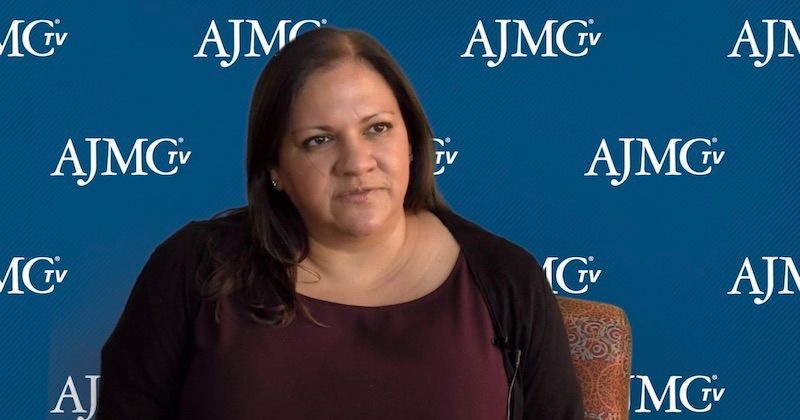
Dr. Nanda on the phase 2 I-SPY 2 trial in breast cancer
OncLive spoke with Dr. Rita Nanda about the I-SPY 2 trial's adaptive platform model, patient selection by molecular subtype, and why its efficiency in identifying promising agents makes it a model for future oncology drug development.
In an interview with OncLive, Dr. Rita Nanda discussed the groundbreaking I-SPY 2 clinical trial and how its adaptive platform design is transforming the development of new breast cancer therapies. Rather than evaluating one treatment at a time, the trial uses an innovative model to test multiple investigational therapies simultaneously, significantly accelerating the research process. A key strength of the I-SPY 2 trial is its ability to match patients to therapies based on the molecular subtype of their breast cancer. This personalized approach helps identify which treatments are most likely to benefit specific patient populations, improving both trial efficiency and clinical outcomes. Dr. Nanda also explained how the adaptive design allows promising therapies to move through development more quickly while reducing the time and resources typically required for traditional clinical trials. By continuously analyzing patient responses, researchers can prioritize the most effective treatments and make data-driven decisions throughout the study. The I-SPY 2 platform has become a leading example of precision medicine in oncology and is widely recognized as a model for future cancer drug development. Its innovative approach continues to accelerate scientific discovery while bringing more effective therapies to patients faster.