

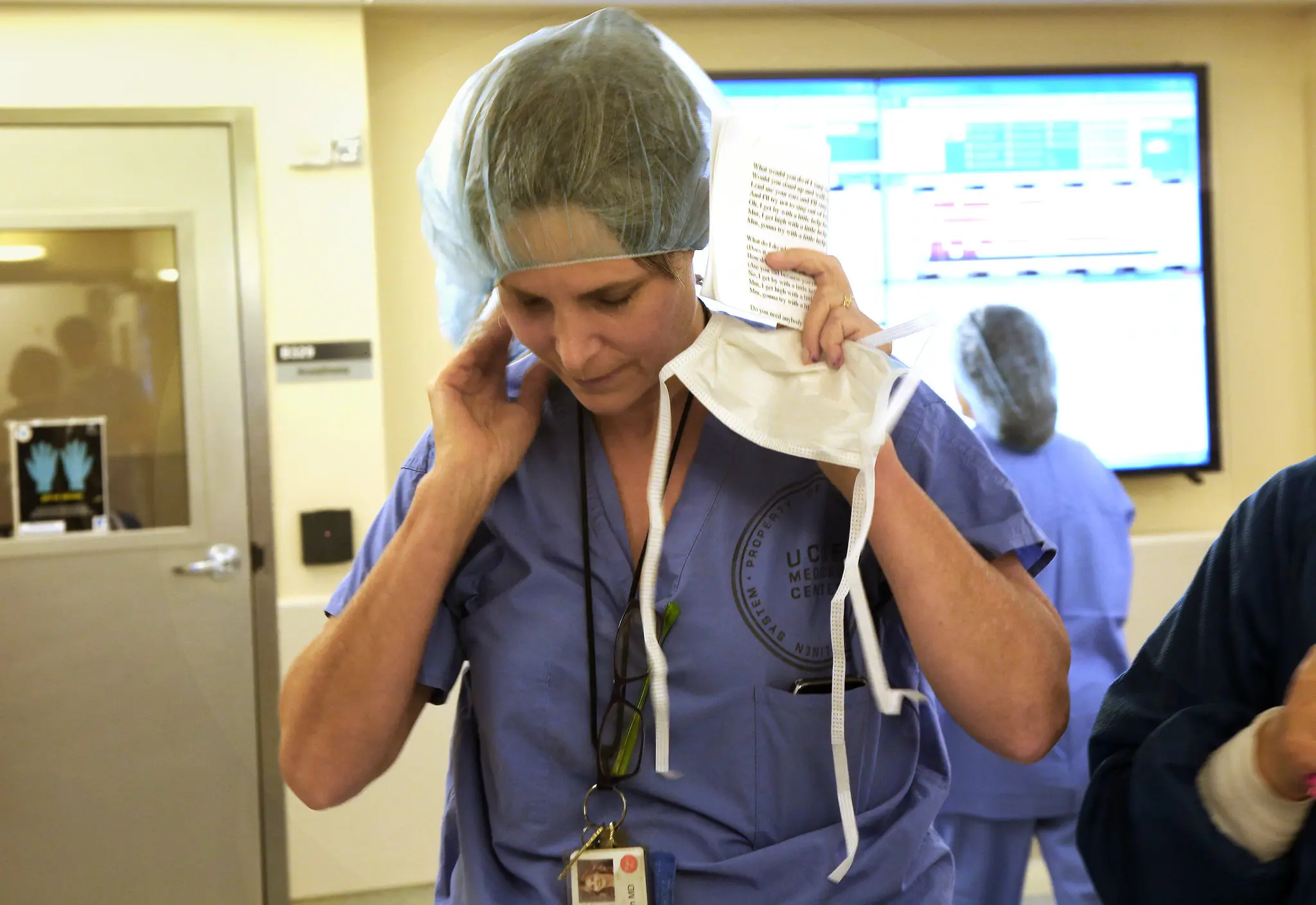
A breast cancer surgeon who keeps challenging the status quo
A landmark New York Times profile of Dr. Laura Esserman traces her career-long effort to upend conventional breast cancer medicine — from early skepticism of radical mastectomy to leadership of the I-SPY trials and pioneering work questioning aggressive DCIS treatment.
Throughout her career, Dr. Laura Esserman has challenged conventional thinking in breast cancer care by advocating for more personalized, evidence-based treatment. Rather than relying on one-size-fits-all approaches, she has focused on matching therapies to the unique biology of each patient's disease. As the driving force behind the I-SPY clinical trials, Dr. Esserman has helped transform the way new cancer treatments are tested. The innovative adaptive trial model accelerates research, identifies promising therapies more quickly, and improves the likelihood that patients receive treatments best suited to their specific cancer. She has also been a leading voice in re-evaluating the treatment of Ductal Carcinoma in Situ (DCIS), encouraging the medical community to carefully distinguish between low-risk and high-risk cases. Her work has contributed to ongoing efforts to reduce unnecessary treatment while maintaining the highest standards of patient care. Featured in The New York Times, Dr. Esserman's career reflects a commitment to challenging outdated practices, advancing precision medicine, and improving outcomes for people facing breast cancer. Her leadership continues to inspire innovation in clinical research and patient-centered care across the oncology community.